
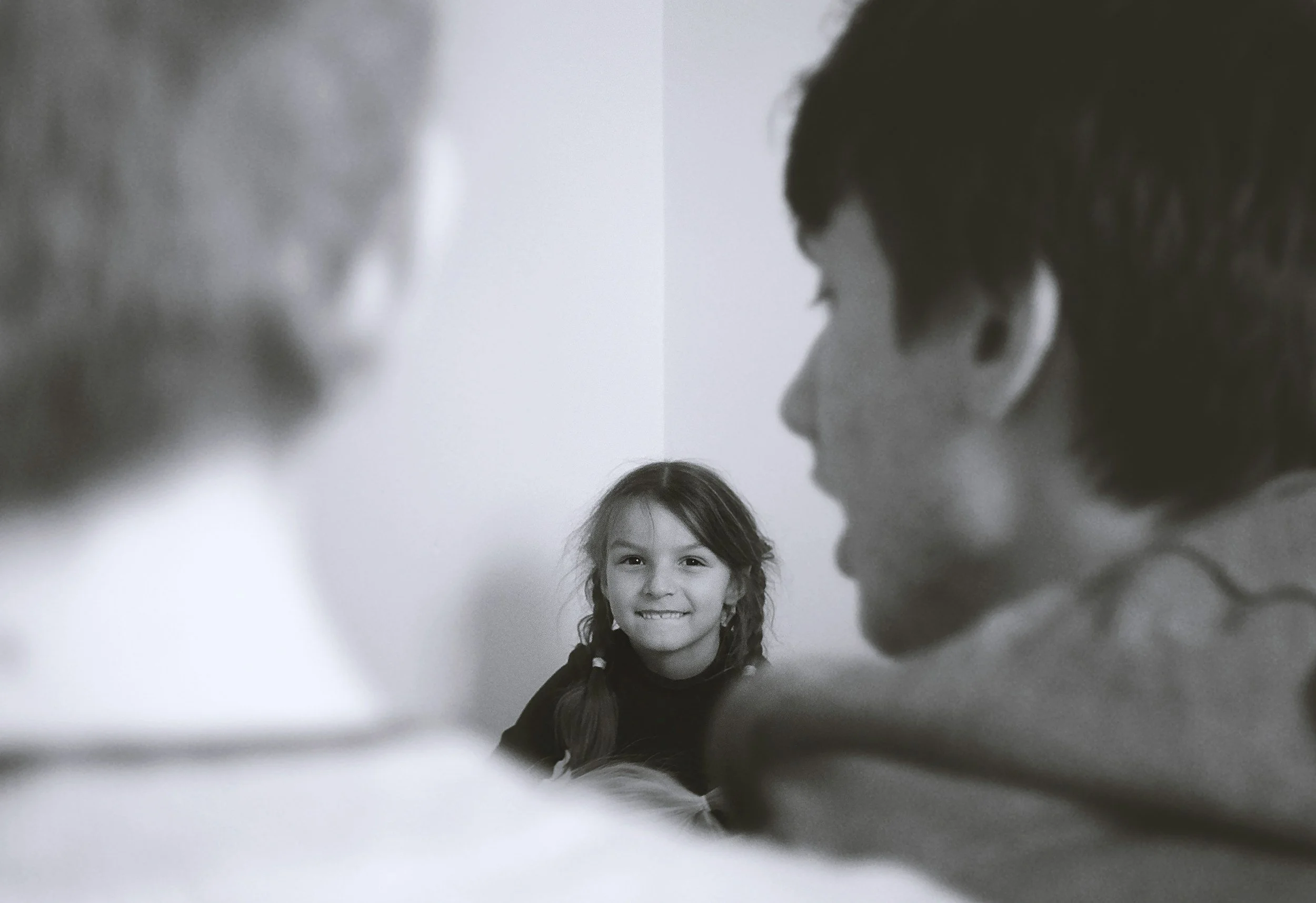
When a child enters foster care, a lot of adults get involved: caseworkers, attorneys, therapists, teachers and a judge who has to make decisions about that child's future. A child advocate is the one person in the room whose only job is to speak up for what that child needs. At Hudson County CASA, child advocates are trained volunteers from the community.
What CASA stands for
CASA means Court Appointed Special Advocate. A CASA volunteer is a trained community member whom a family court judge appoints to advocate for a child who has experienced abuse or neglect. The idea began in 1977, when Seattle judge David Soukup recruited community volunteers to look into every part of a child's life and report back to the court. Today the national network includes more than 950 CASA and guardian ad litem programs. Hudson County CASA was incorporated in 2002. You can read more of that history on our Who We Are page.
What a child advocate does
Visits the child regularly. Advocates see their assigned child every month and get to know the child and their circumstances.
Gathers information. They talk with foster parents, birth parents, relatives, caseworkers, school staff and health providers, and they review school and medical records.
Reports to the judge. They share what they have learned and recommend what the child needs, always focused on the child's best interests.
Pushes for services. They help make sure the child receives medical care, therapy, educational support and enrichment activities.
Stays. Caseworkers and attorneys can change during a case. A CASA volunteer aims to be a consistent, trusted adult until the child reaches a safe and permanent home.
How an advocate differs from a lawyer or caseworker
Attorneys and social workers carry many cases at once and have defined professional roles. A CASA volunteer works on one or two cases at a time, which leaves room to study each one closely. Advocates do not provide legal representation and they do not replace the caseworker. They add an independent, child-focused voice, with guidance from a CASA case supervisor at every step.
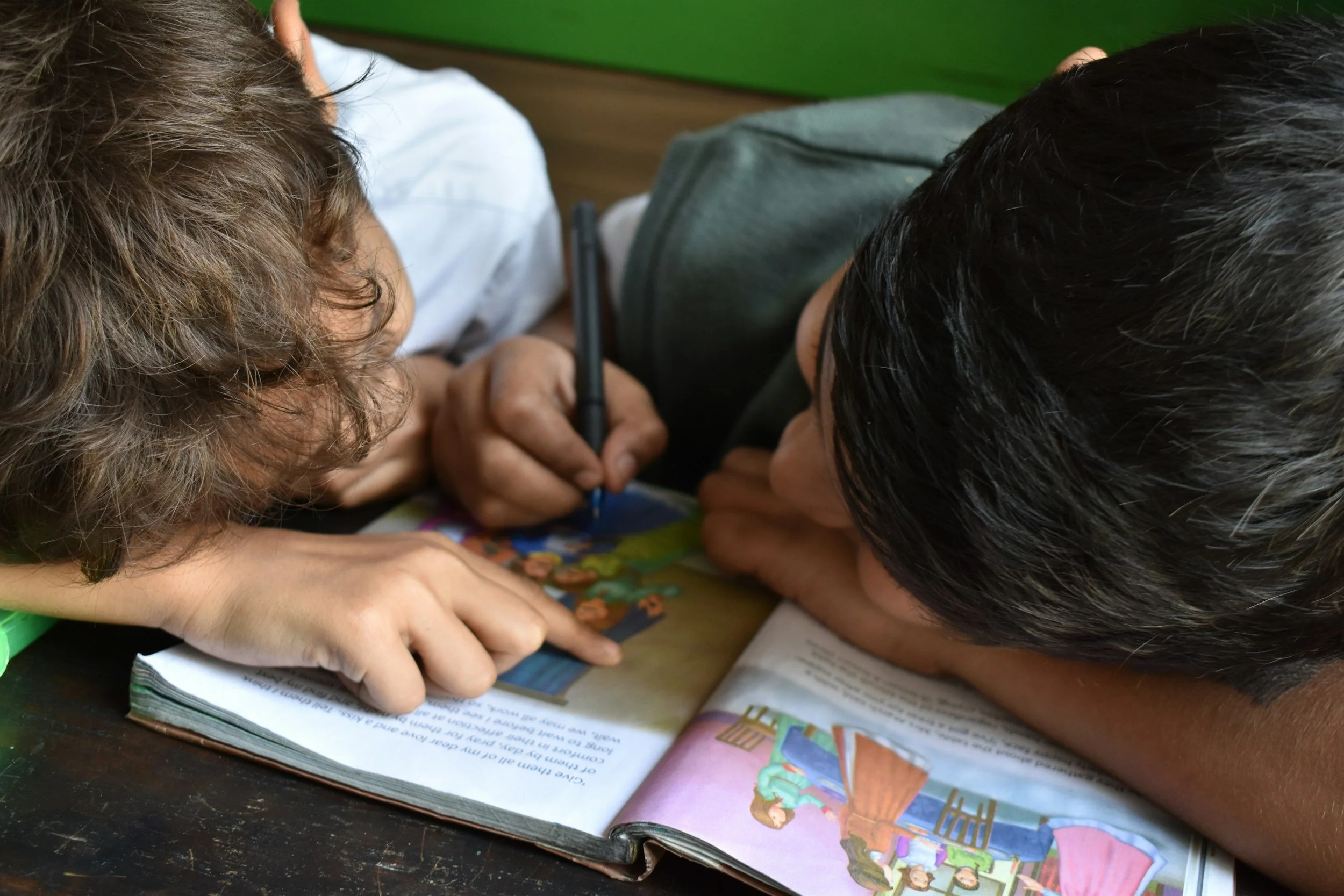
Does it make a difference?
In fiscal year 2026, Hudson County CASA served 195 children, and 47 of them reached safe, permanent homes. Volunteers donated 6,130 hours, and the courts accepted 97% of their recommendations. National CASA data cited on our FAQ page shows that children with an advocate spend less time in foster care, receive more services and do better in school.
Who can become a child advocate
You do not need to be a lawyer or social worker. Volunteers must be at least 21, pass a background check, and complete 30 hours of training that covers child abuse and neglect, the child protection system, the courts, communication and cultural competency. See the training overview, sign up for a virtual information session, or go straight to Become a Volunteer.
Frequently asked questions
What is the difference between a CASA volunteer and a guardian ad litem?
Both speak for a child's best interests in court, and the name used depends on the state and the program. In Hudson County, the volunteers are called CASA volunteers or child advocates.
Is a child advocate the same as a foster parent?
No. Foster parents, called resource parents in New Jersey, care for the child at home. An advocate visits the child, gathers information and reports to the court. Our post on becoming a foster parent in Hudson County explains that path.
Do child advocates get paid?
CASA advocates are volunteers. Paid staff supervise and support them.
How long does a CASA volunteer stay with one child?
Hudson County CASA asks for a commitment of at least one year and prefers that volunteers stay until the case is resolved. The average case lasts about a year.
How many children does one advocate work with?
One or two cases at a time. A case may involve a single child or a group of siblings.
How do I talk to someone about volunteering?
Call (201) 795-9855, email info@hudsoncountycasa.org, or use our contact page.